Custom Integration Services

Point-to-Point vs iPaaS Integration Services. Choose The Right Architecture

Custom code gives you total control and an n² maintenance bill. Middleware gives you connectors and a license you pay forever. We map your systems, your volume and your roadmap, then tell you which one actually fits, even when the answer earns us less.

+
ERP & business platforms integrated
Right Architecture
Point-to-point, iPaaS, or hybrid
vendor bias in our recommendations
Every link yours to maintain
Connect once
License forever
Middleware platforms we implement
CeligoPatchworksBoomiAPPSeCONNECTCustom middlewareCeligoPatchworksBoomiAPPSeCONNECTCustom middlewareCeligoPatchworksBoomiAPPSeCONNECTCustom middleware
What usually starts this conversation

Nobody picks an integration model until something breaks

Four things we hear before the architecture conversation starts, and what the right model does about each.

Connections multiplying

Every new channel is another integration to own.

Fixed: the ninth system costs what the second did.

Failures nobody sees

A webhook dropped in March and finance found it in June.

Fixed: retries and alerts before customers notice.

License or build, both hurt

The quote is either a big build or a bill we pay forever.

Fixed: both routes costed over three years.

One person holds the map

Only one developer understands how any of this connects.

Fixed: mappings your next hire can pick up.
What each model actually is

Choose the Right Integration Model (Point-to-Point, iPaaS, and Hybrid)

Three ways to connect the same systems, defined plainly: how each one is wired, what it costs you in return, and the conditions it was designed for. No recommendation yet, just the honest shape of each.

Custom point to point

Direct API to API, tightly coupled, unlimited flexibility.

The catch

Every API change is your emergency, and connections grow at n² until the team drowns.

Right when: the logic is genuinely unique, the ecosystem is small and stable, and you have in-house engineers to keep it alive.

iPaaS middleware

Hub and spoke, each system connects once, growth stays linear.

The catch

The license never stops, and the one flow that does not fit the connector is the one that matters.

Right when: you run multiple integrations or stores, want vendor-managed maintenance and need to be live in weeks not quarters.

Hybrid

Platform for the standard flows, code for the awkward one.

The catch

Two things to govern, so the boundary between them has to be drawn deliberately.

Right when: most of your estate is standard but one or two flows fall outside what any connector can model.

What we do

Everything You Need to Build and Run Integrations

We build custom point to point and we implement middleware. Here is what each service looks like under both models, and which one usually wins it.

Architecture & selection

P2PWe scope the build, the endpoints and the eight to twenty four week timeline.
iPaaSWe shortlist platforms and prove the flows in a two to ten week implementation.
Both routes costed before you commit

API & connector build

P2PCustom Shopify and ERP services, written and owned by us against your logic.
iPaaSPre-built connectors configured, plus custom steps where the connector stops.
iPaaS unless the logic is genuinely unique

Data mapping & sync

P2PField level mapping hand-built, tuned exactly to your volume and rate limits.
iPaaSMapping in the platform designer, with throttling and batching handled for you.
iPaaS for standard records, code for the rest

Multi system & EDI

P2PViable to about five endpoints. Past that, connections grow at n².
iPaaSEach system connects once, so WMS, 3PL, PIM and EDI stay linear to add.
iPaaS the moment the estate grows

Security & governance

P2PFull control, full responsibility. Encryption, audit and access are on you.
iPaaSEncryption, RBAC, SSO and audit logging come with the platform.
iPaaS for regulated estates

Monitoring & support

P2PWe monitor and patch the services we wrote. No vendor to escalate to.
iPaaSPlatform alerting, plus us on the connector edge cases the vendor will not own.
Either way, a real engineer
WHEN MIDDLEWARE MAKES SENSE

Choose the Right iPaaS Platform for Your Business

We implement all four and are certified on none we would not recommend. Here is the honest read on where each is strongest, and the point at which custom code beats it.

PLATFORM 01 / CELIGO

The NetSuite specialist

Deepest NetSuite specialization, with pre-built Integration Apps business users can operate.

  • Strongest for : Shopify to NetSuite order to cash and inventory.
  • Ecosystems : NetSuite, Acumatica, SAP B1, QuickBooks.
  • Watch out : Weaker outside NetSuite. Cost steps up at scale.
PLATFORM 02 / PATCHWORKS

The retail-first hub

Ecommerce native, Certified Shopify Technology Partner, low-code, built for multi store brands.

  • Strongest for : Shopify Plus into ERP, PIM, WMS and 3PL.
  • Ecosystems : NetSuite, SAP, Dynamics 365, Sage, 100+ connectors.
  • Watch out : Pricing bites smaller brands. Thin in APAC.
PLATFORM 03 / BOOMI

The enterprise workhorse

1,500+ connectors, API lifecycle management and an on-premise runtime for regulated estates.

  • Strongest for : Multi system estates, legacy, EDI, OneWorld.
  • Ecosystems : NetSuite, SAP, Oracle EBS, Dynamics, Workday.
  • Watch out : IT-heavy to run. Opaque usage-based pricing.
PLATFORM 04 / APPSeCONNECT

The SAP B1 route for SMBs

SAP Business One specialization, low-code designer, managed service, from $99 a month.

  • Strongest for : Shopify to SAP B1, Dynamics 365 BC, Sage 300.
  • Best fit : SMB to lower mid-market, 50 to 300 staff.
  • Watch out : Thin error reporting and slower support.
FIND YOUR BEST FIT

Choose the Integration Model That Scales With You

Now match the models to your own situation. Read the three below and take the one you recognize. If you see yourself in two of them, that is the signal for a hybrid.

Small stack, unusual rules

Three or four systems, not changing soon, logic no connector can express, and engineers who can own it. Control matters more than convenience here. Build point to point.

Under 5 endpointsIn-house teamCustom logicNo license fees

Growing fast, no dev team

Several systems or several stores, nobody in-house who owns integrations, and a go live date this quarter. You need someone else on the hook for maintenance. Buy iPaaS middleware.

Multi storeNo dev teamLive in weeksVendor managed

Standard, with one exception

A platform covers orders, inventory and finance cleanly, but one flow, a pricing engine, a legacy adapter, a reconciliation rule, sits outside it. Run hybrid: that one in code, beside the hub.

Standard flows on platformBespoke in codeLegacy adapters
$K–150K
typical P2P build cost, no license
$K–40K
iPaaS implementation, plus $1K–5K a month
endpoints where P2P stops scaling
–24
weeks to build P2P, versus 2–10 on iPaaS
POINT-TO-POINT VS iPaaS

The whole comparison on one screen

PCompare architecture, cost, scalability, maintenance, and implementation time to choose the integration model that fits your business.

Criterion
Custom point to point
iPaaS middleware
Architecture
Direct API to API, tightly coupled
Hub and spoke, each system connects once
Connection growth
n² — five systems is ten links
n — five systems is five links
Time to live
8 to 24+ weeks
2 to 10 weeks
Cost
$50K–$150K+ build, no license
$8K–$40K, then $1K–$5K+ a month
Maintenance
Yours, including every API change
Vendor-managed connectors and retries
Scalability
Poor beyond ~5 endpoints
Strong — add a spoke, not a project
Key risk
Key-person dependency
Lock-in and connector edge cases
Best fit
Small stable stack, unique logic, in-house team
Multiple systems or stores, no dedicated developer
Our read
Under five systems with unusual logic, build it. Anything wider, or without an in-house engineer, buy the platform and keep the one awkward flow in code.
Client Engagement Process

A structured path from first audit to go live

Steps 1 to 3 decide the architecture. Steps 4 to 6 deliver it.
1
Systems audit

Every system, every existing connection and every silent failure, counted and mapped.

2
Flow requirements

Which records move where, how often, in which direction and who owns the truth.

3
Architecture call

P2P, iPaaS or hybrid, costed both ways over three years before anyone commits.

4
Build or configure

Custom services or platform flows, built against a safe staging environment.

5
QA, UAT & cutover

End to end testing, user acceptance and a rehearsed go live with a rollback plan.

6
Monitor & scale

Live monitoring, error handling and room to add the next system without a rebuild.

Whichever model you pick

Someone still has to own it on Monday

Custom code has no vendor to call and middleware has connector edge cases no vendor will own. Either way you get proactive monitoring, error handling, performance work and a named engineer, so the architecture decision does not quietly become a staffing problem.

See what ongoing integration support covers
Hybrid Estate · Live
All flows healthy
iPaaS flows
14
Custom services
3
Proactive flow and uptime monitoring
Error handling, logging and alerts
Connector edge cases nobody else will own
A real engineer who actually replies
Selected work

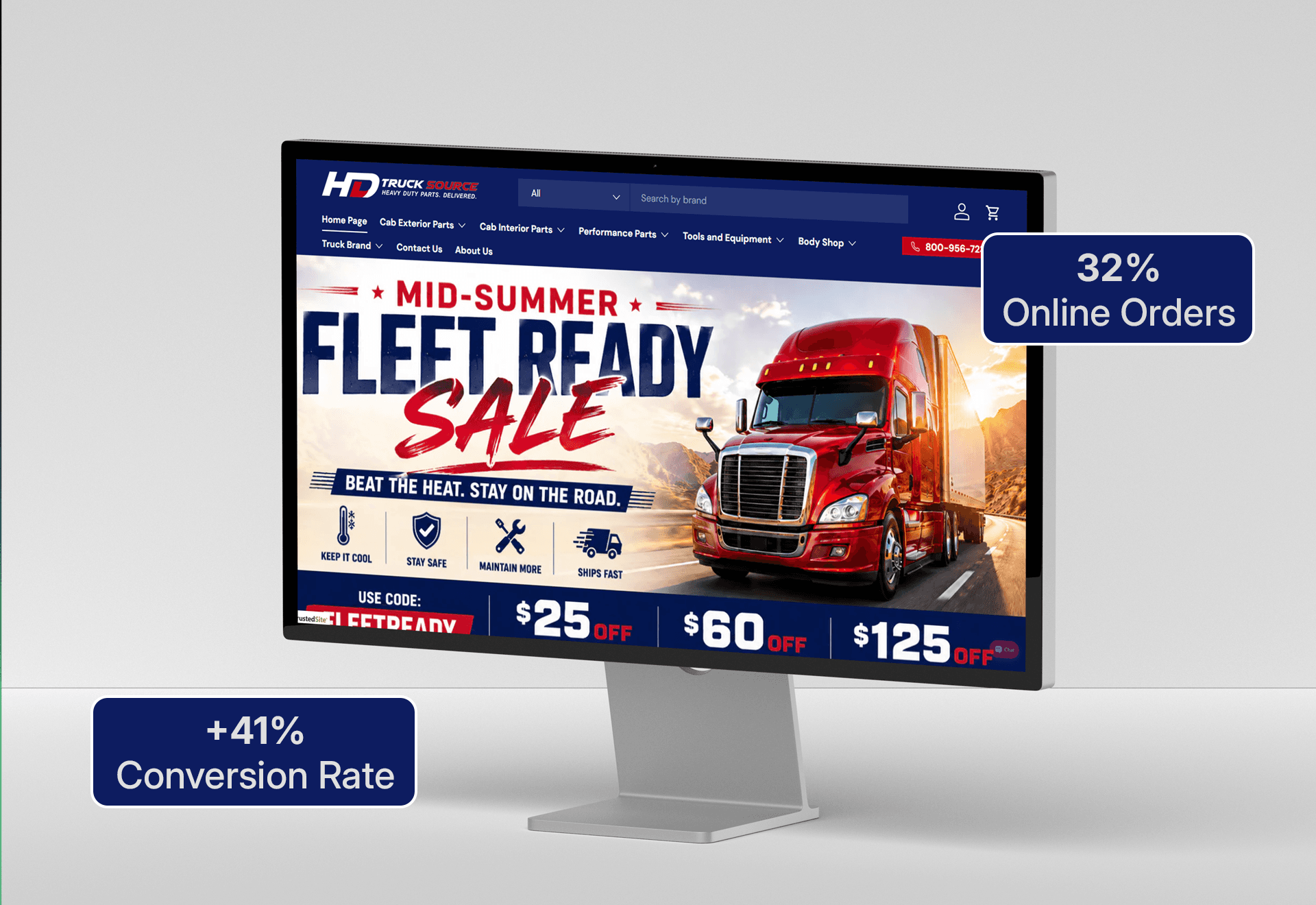
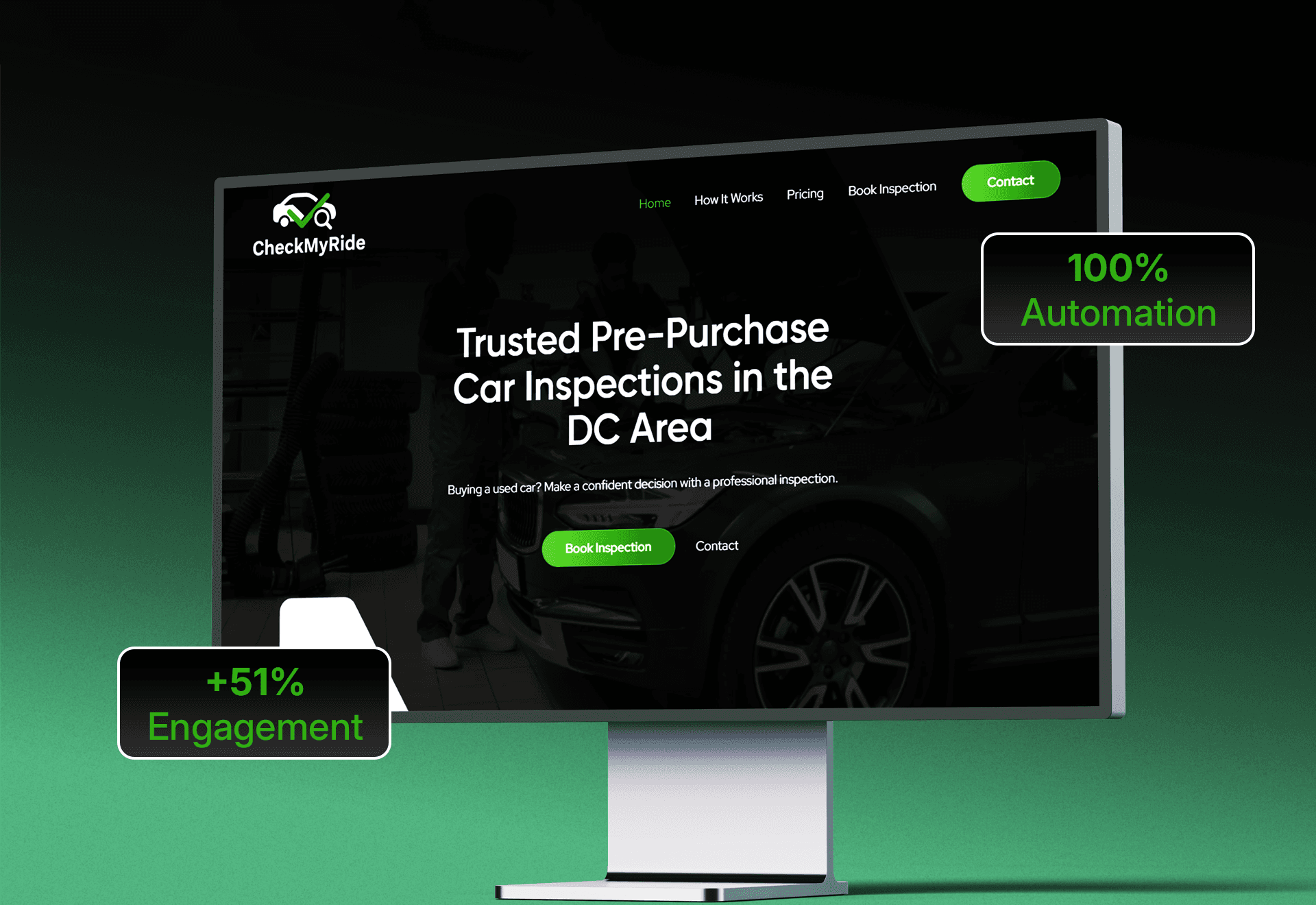
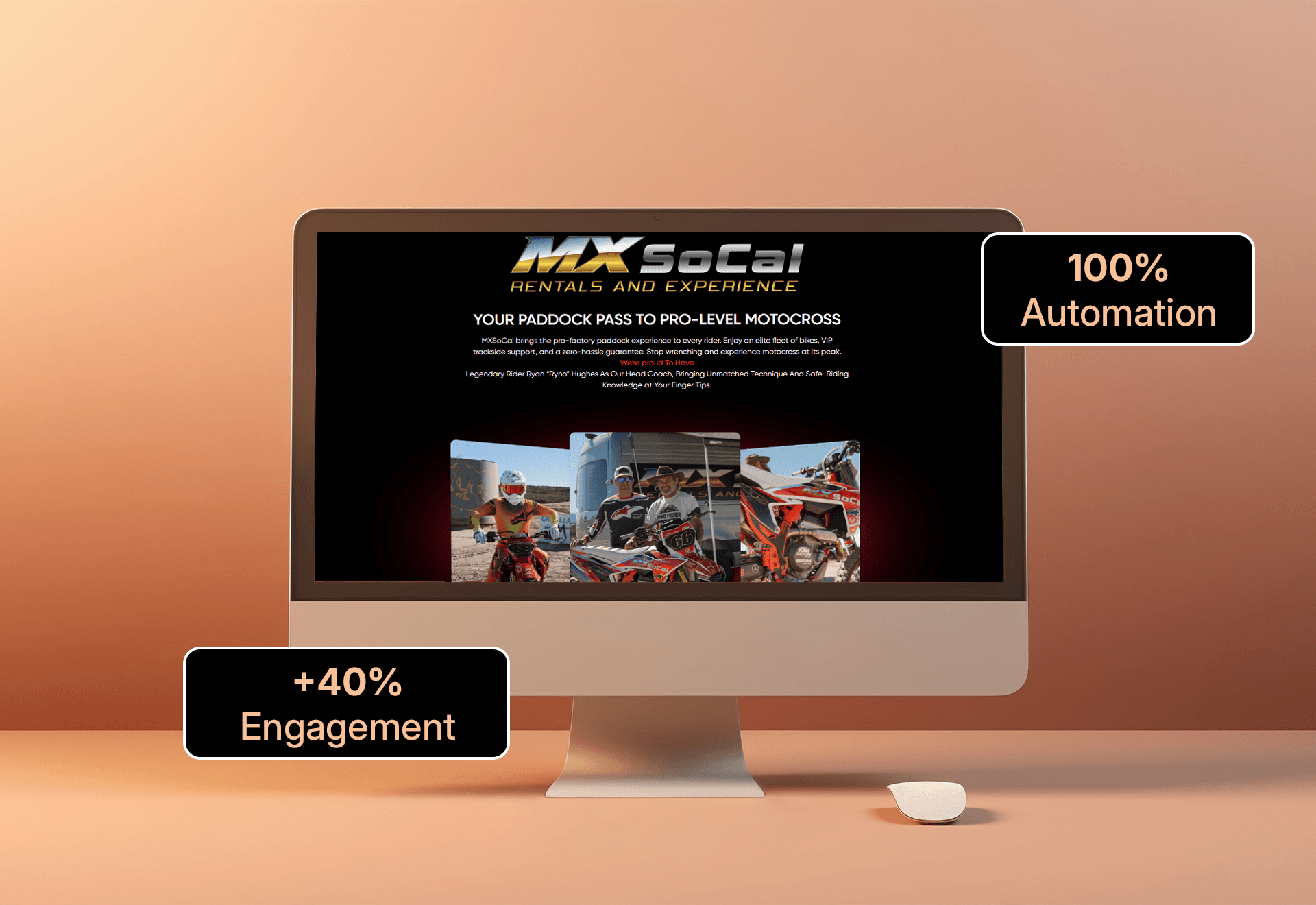
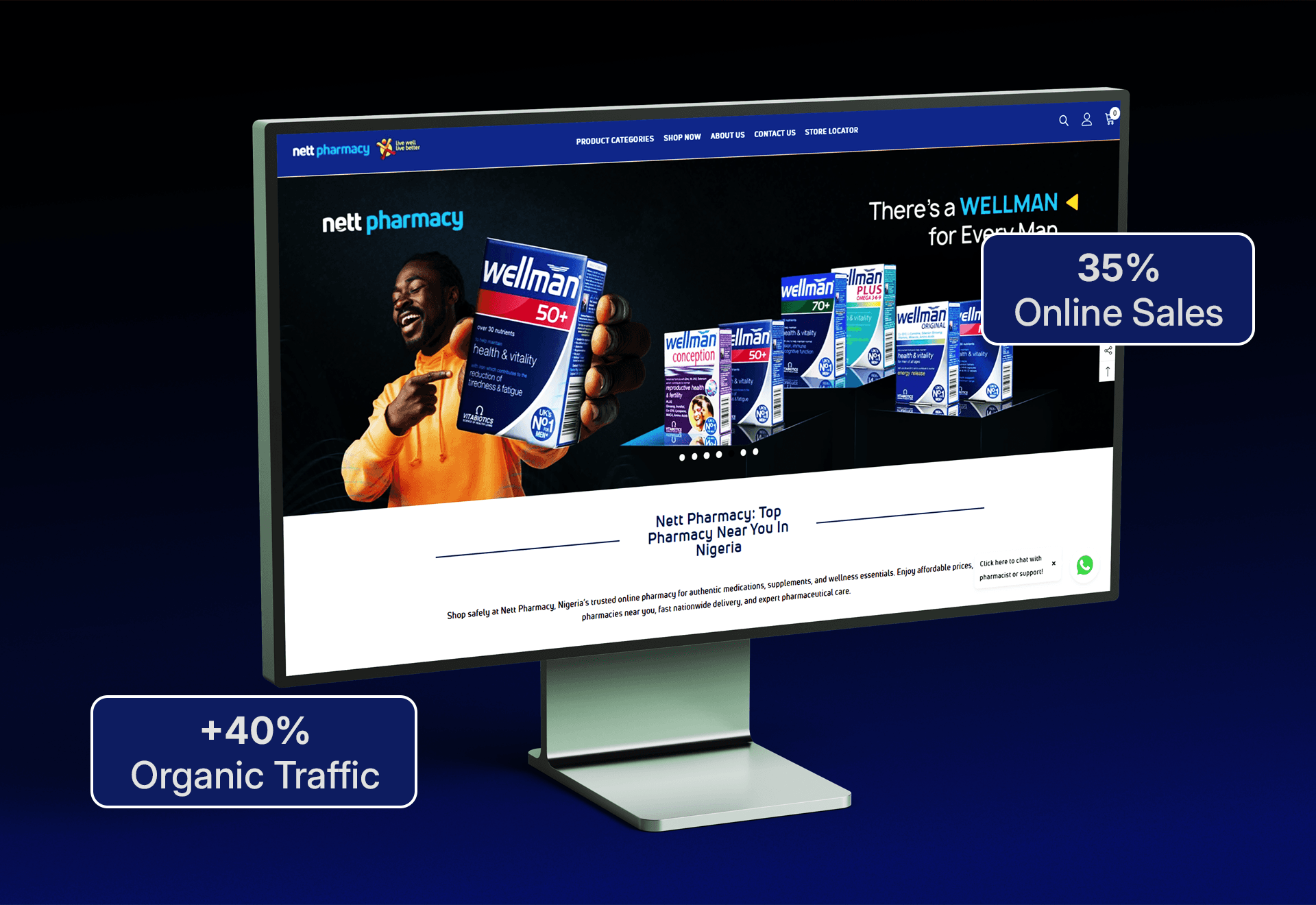
Three brands, three different answers

Same question, different shapes of business, and the numbers that followed each call.
FAQs

Frequently Asked Questions

Point-to-point integration is a good choice when you need to connect a small number of systems with specific business logic. It offers lower ongoing costs, fewer dependencies, and faster execution than introducing a full middleware platform.

Not sure which one you need?

Book a free architecture review. We map your systems, count the real connections, price both routes and tell you which one we would pick if it were our money. No pitch, no jargon.

Response within one business day · No obligation